
black led makeup mirror
Understanding Spirit Level Tool Prices A Comprehensive Guide When it comes to ensuring accuracy in construction and DIY projects, a spirit level is an indispensable tool. Commonly used by professionals and hobbyists alike, spirit levels are designed to gauge the flatness or plumbness of a surface. Given their importance, understanding the price of spirit level tools is essential for anyone looking to invest in high-quality gear. In this article, we will explore the different factors that influence the prices of spirit level tools, the various types available, and tips on making a wise purchase. Factors Influencing Spirit Level Prices 1. Material and Build Quality The material used in crafting a spirit level significantly impacts its price. Most spirit levels are made from aluminum or plastic, with high-end models using solid aluminum for greater durability and accuracy. Models with shock-resistant features or reinforced frames will typically cost more due to their enhanced lifespan and reliability. 2. Length and Size Spirit levels come in various lengths, from compact levels designed for small tasks to longer levels that are essential for larger projects. Generally, as the length increases, so does the price. Choosing the right size for your specific needs is crucial, as it not only affects the cost but also the usability of the tool. 3. Types of Spirit Levels There are several types of spirit levels available on the market, each suited for different applications, which also contributes to price variance. Some common types include - Standard Bubble Levels These are the most traditional and often the most affordable option. - Digital Levels Incorporating electronic sensors, digital levels provide precise readings and often feature backlit displays. While they typically cost more, their accuracy is unmatchable. - Laser Levels These advanced tools project a laser beam to aid in leveling over long distances. While they are usually more expensive, they are invaluable for large-scale projects. 4. Brand Reputation Well-known brands often charge premium prices due to their established reputation for quality and reliability. While this might mean paying a bit more, the investment can lead to greater longevity and superior performance. Lesser-known brands may offer cheaper options, but the quality can be inconsistent. 5. Additional Features Many spirit levels come with extra features, such as magnetic strips for hands-free use, dual vials for varied leveling, and carrying cases. These additional functionalities can increase the price but may offer greater convenience and versatility. spirit level tool price Average Price Range As of 2023, the average price range for spirit levels varies considerably based on the factors discussed. A simple bubble level may cost anywhere from $10 to $30, while more complex models like digital and laser levels can range from $50 to $300 or more. Making the Right Purchase When purchasing a spirit level, it is essential to consider your specific needs. If you are a casual DIYer, a basic bubble level may suffice. However, for professional contractors or serious hobbyists, investing in a higher-quality digital or laser level might be worth the expense. Additionally, always read reviews and check for warranty options to ensure you are getting a product that is reliable. Comparing prices from different retailers, both online and in-store, can also help you find the best deals. Conclusion Understanding the factors that contribute to spirit level tool prices will empower you to make informed decisions when purchasing. By considering your specific needs and budget as well as the various options available, you can buy a spirit level that offers the right balance of quality and affordability. With the right tool in hand, you’ll be well-equipped to achieve precision in all your leveling tasks.
about
black led makeup mirror
Understanding Level Supplier Relationships in Supply Chain Management In today's complex global marketplace, businesses rely heavily on their supply chains to deliver products and services efficiently. One crucial aspect of supply chain management is the concept of level suppliers. Level suppliers are categorized based on their ability to meet specific criteria that ensure quality, reliability, and efficiency. This article explores the significance of level suppliers, their classification, and their impact on supply chain performance. Definition and Classification of Level Suppliers Level suppliers can be classified into several tiers based on their strategic importance and the role they play in the supply chain. The most common classifications include 1. Tier 1 Suppliers These suppliers have a direct relationship with the company, providing essential components or services. They are typically key partners and are involved in the design and development of products. 2. Tier 2 Suppliers These suppliers provide materials or components that are used by Tier 1 suppliers. Although they may not interact directly with the primary enterprise, their reliability is critical for the uninterrupted flow of production. 3. Tier 3 Suppliers Often considered indirect suppliers, Tier 3 suppliers provide raw materials or sub-components needed by Tier 2 suppliers. While they might not be directly engaged with the primary business, their performance can significantly influence the supply chain's overall efficiency. The classification of suppliers into these tiers helps organizations prioritize their relationships and manage risk effectively. Understanding the supplier levels aids businesses in developing appropriate strategies for supplier management, risk mitigation, and quality assurance. Importance of Level Suppliers Having a robust base of level suppliers is vital for any organization . Here are a few reasons why they are essential for supply chain success 1. Quality Assurance Level suppliers play a pivotal role in maintaining product quality. By working closely with Tier 1 suppliers, organizations can ensure that the materials sourced from Tier 2 and Tier 3 suppliers meet the necessary standards. This collaboration leads to higher product quality and minimizes defects. level supplier 2. Risk Management Diversifying supplier relationships across different levels helps mitigate risks associated with supply chain disruptions. If a Tier 1 supplier encounters problems, organizations can quickly turn to Tier 2 or Tier 3 suppliers to maintain production continuity, ensuring that operations are not adversely affected. 3. Cost Efficiency By establishing relationships with multiple levels of suppliers, companies can leverage competitive pricing. Tier 2 and Tier 3 suppliers may offer more cost-effective solutions, allowing organizations to optimize their cost structures without compromising on quality. 4. Innovation and Collaboration Level suppliers often contribute to innovative processes and products. Collaborating with suppliers at various levels fosters an environment where new ideas can flourish, driving technological advancements and improving overall business performance. Managing Level Supplier Relationships To maximize the benefits of level supplier relationships, organizations should adopt strategic approaches, including - Supplier Assessment Regularly assessing suppliers based on performance metrics, quality standards, and delivery timelines ensures that businesses partner with capable organizations. This includes conducting audits and monitoring KPIs to maintain high operational standards. - Open Communication Maintaining transparent and open lines of communication with suppliers at all levels fosters collaboration. Companies can share forecasts, production plans, and challenges, creating a more responsive and agile supply chain. - Supplier Development Programs Investing in supplier development initiatives can enhance supplier capabilities. Providing training, resources, and support encourages suppliers to improve their processes, leading to better overall supply chain performance. - Long-term Partnerships Developing long-term relationships with suppliers promotes loyalty and commitment. By establishing strategic alliances, companies can work collaboratively on new projects, improve efficiency, and innovate together. Conclusion In conclusion, level suppliers are integral to effective supply chain management. By understanding supplier classifications and managing relationships strategically, businesses can enhance quality, reduce risks, and drive innovation. As the global supply chain landscape evolves, organizations that prioritize their level suppliers will be better positioned to adapt and thrive in an increasingly competitive environment.
-

High quality industrial productsagement

High quality industrial products
View Details -

Meet the diverse needs of customers

Meet the diverse needs of customers
View Details -

Strict quality control

Strict quality control
View Details -

Top raw materials

Top raw materials
View Details -

Trusted supplier

Trusted supplier
View Details
Our application

news and information
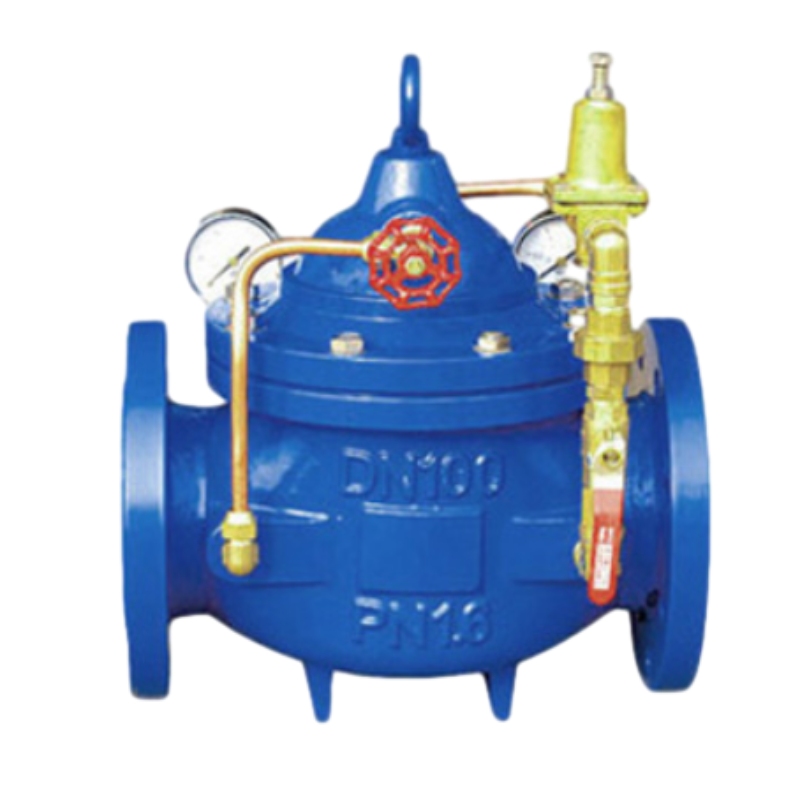
Versatile Stainless Steel Angle Ruler for Precision Measuring and Drafting Tasks
The Versatility of the Metal Angle Ruler When it comes to precision tools in the fields of engineeri
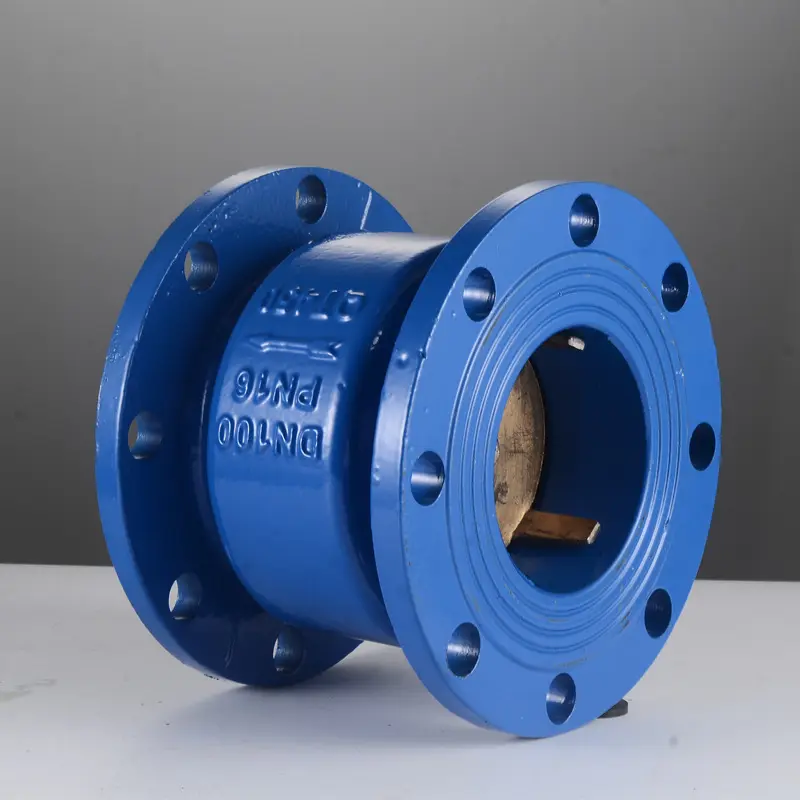
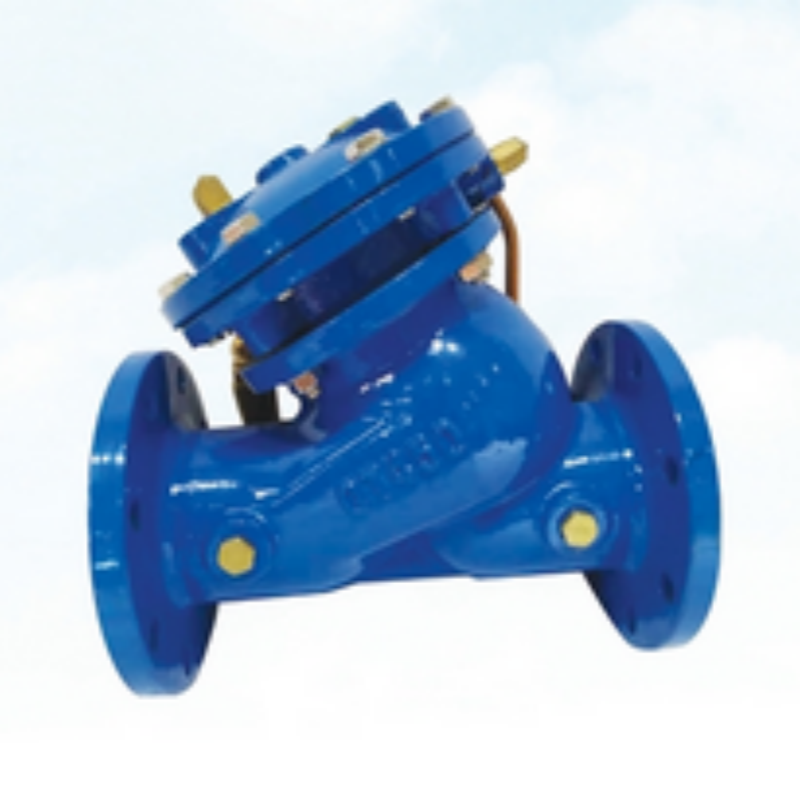
y type suction strainer
Understanding Y-Type Suction Strainers A Comprehensive Guide In various industrial applications, mai
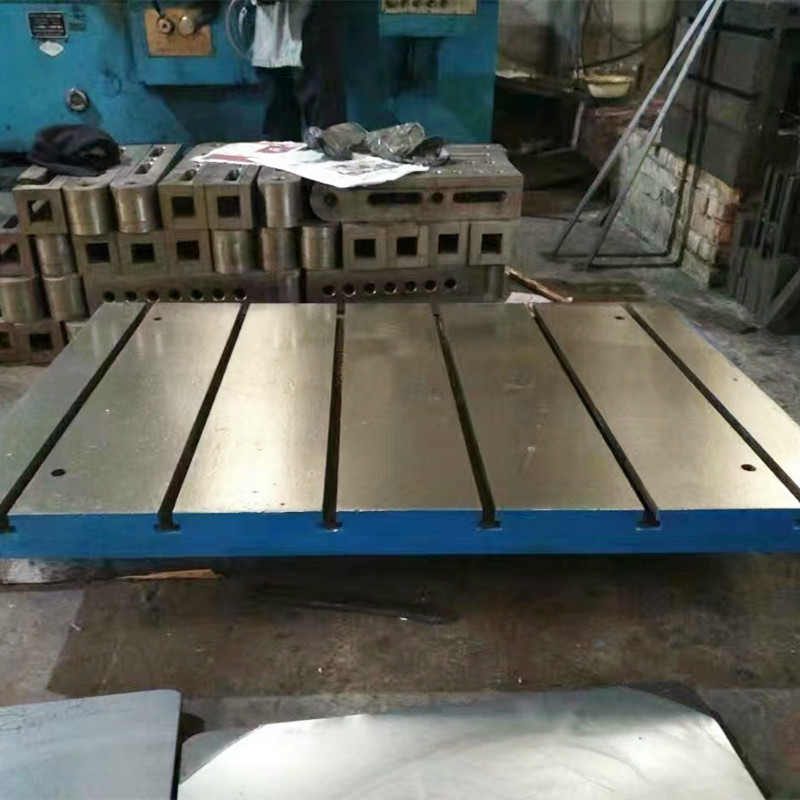
Water Hose Shutoff Valve for Efficient Flow Control and Leak Prevention
Water Hose Shut Off Valve A Necessary Tool for Efficient Water Management Water is one of the most p
 English